

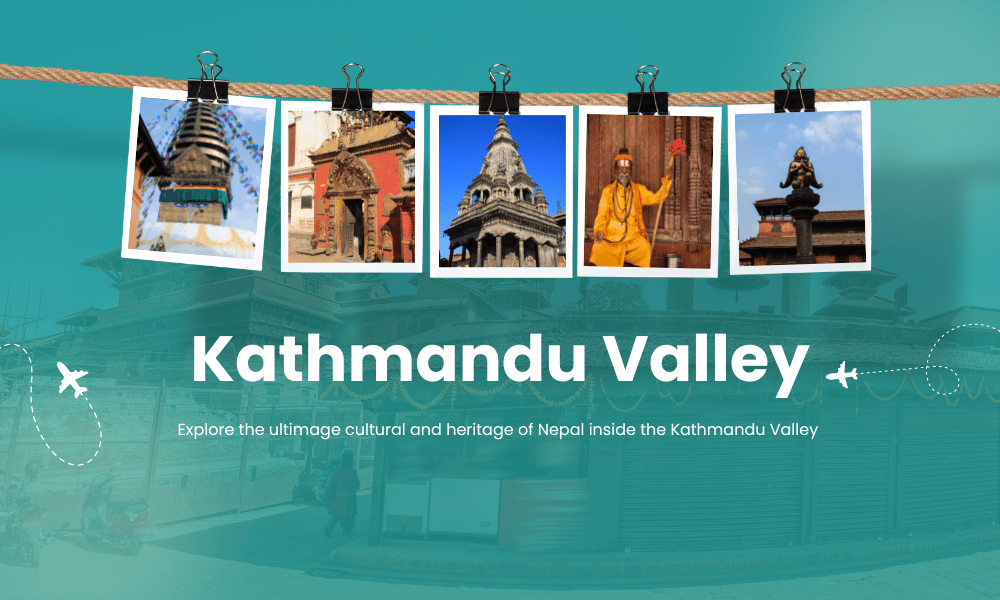


This Kathmandu Valley Cultural Luxury 8-day package is a comprehensive tour that immerses you in the rich cultural and traditional heritage of the Kathmandu Valley. You’ll explore UNESCO World Heritage Sites in depth and visit other significant villages and hill stations.
While this short Kathmandu Valley tour primarily aims to introduce you to the culture and customs of Nepal, it does so with a touch of luxury. Your transportation, accommodation, and even meals will be provided by some of the most reputable service providers in the country.
Expect a journey filled with comfort, insight, and meaningful interactions with local communities. Even if you arrive with no prior knowledge of Kathmandu, our dedicated team at Altitude Himalaya will ensure you leave with a deep understanding of the diverse communities that call the capital city home.
Now, without further delay, let’s take a closer look at what this package actually includes:
Explore Sacred Temples and Ancient Stupas
You’ve probably heard the saying, “Kathmandu is the city of temples.” And why wouldn’t it be? There are countless temples in and around the capital city of Nepal—some major, others more local and community-based.
From this alone, it’s clear how deeply religious the people of Nepal are. Nepalese culture is rooted in a strong Hindu and Buddhist philosophical ethos and traditions.
When visiting these temples and stupas, it’s customary to remove your shoes as a sign of respect for the sacred space and the deities worshipped within. These are some of the cultural practices you’ll experience when visiting different religious sites across Kathmandu Valley.
While visiting every temple is nearly impossible, Altitude Himalaya promises to give you glimpses of the most sacred and significant sites in Kathmandu:
Discover Hindu-Buddhist Harmony at Swayambhunath
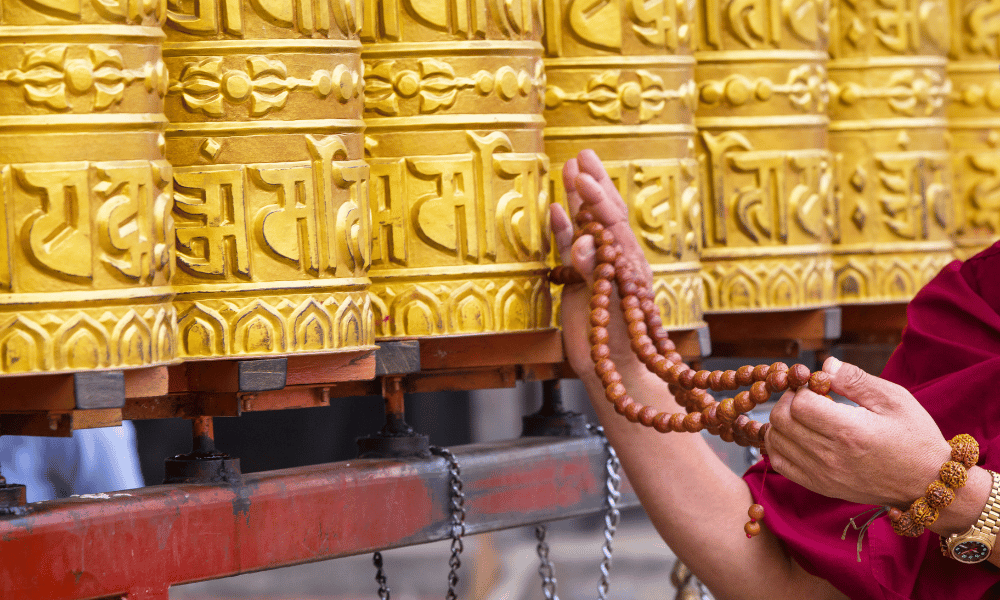
Also known as the ‘Monkey Temple’, this site is where locals offer prayers, light butter lamps, and spin prayer wheels as part of their daily rituals. So, if you’re visiting Swayambhunath Stupa, this is the least you can do to participate respectfully.
And note that Swayambhu isn’t exclusively for Buddhists! It’s also a significant religious site for Hindus. Numerous shrines are found here, with the main one dedicated to Harati (Ajima), who is considered the protector of children and is believed to be guarding the Swayambhu Mahachaitya.
What makes this site truly magical is its mythical origin. It is believed to have emerged spontaneously from a lotus flower. Even the monkeys here hold cultural significance, as they are believed to have originated from Manjushree’s head lice.
Experience Tibetan Traditions at Boudhanath
The main community living near the Boudhanath Stupa is Tibetan Buddhists. Ever since Tibetan refugees arrived at this sacred site, it has evolved into a vibrant hub for Tibetan culture in Nepal.
It’s traditional to circumambulate the stupa while chanting the mantra ‘Om Mani Padme Hum’, which is believed to bring positive spiritual effects to those who recite it. While you’re there, don’t forget to offer prayers at the various monasteries located within the premises.
You can also shop for a variety of souvenirs and handicrafts, including Tibetan Thankas, jewelry, singing bowls, and prayer flags. And make sure to try some local Tibetan cuisine like Thukpa, Thenduk, Mo:Mo:, Laphing, and Keema Noodles!
Witness Sacred Rituals at Pashupatinath Temple
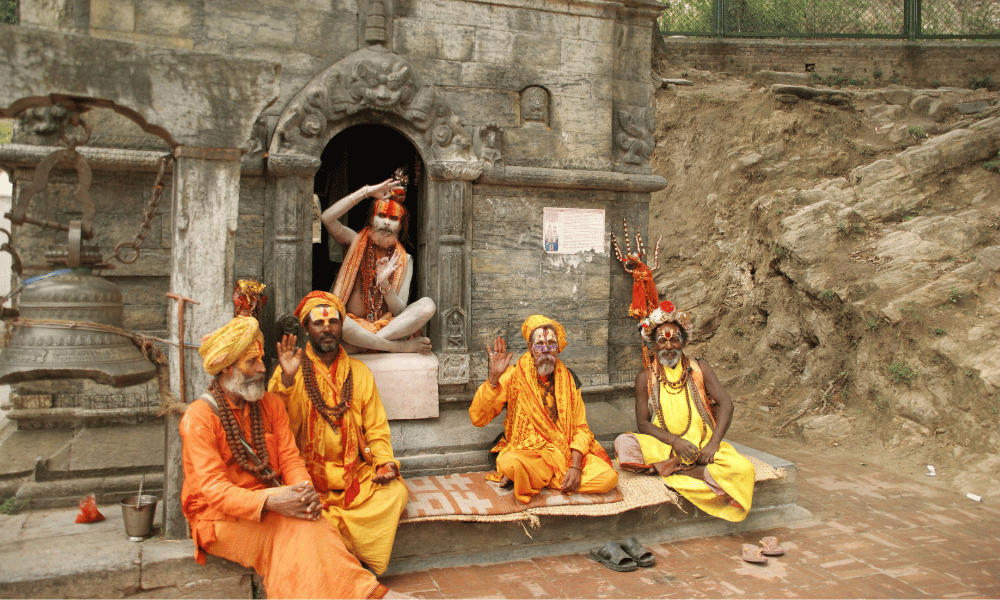
The morning time at Pashupatinath Temple offers a peaceful and deeply spiritual atmosphere. You’ll be greeted by the scent of incense and the sound of temple bells, which beautifully reflect traditional Hindu practices.
However, this Kathmandu Valley Cultural Luxury Tour package from Altitude Himalaya takes a different approach. We’ll take you to Pashupatinath Temple in the evening, when it’s more lively with crowds. And most importantly, to witness the Sandhya Arati!
This evening arati, performed in front of the main Shiva temple and along the Bagmati riverbank, accompanied by bhajans, offers a spiritual experience unlike any other. You can even join the crowd and sing along for full immersion.
Explore Cultural Practices at Namobuddha Monastery
Many of you might be unfamiliar with Namobuddha, but the Thrangu Tashi Yangtse Monastery located here is considered the third most important Buddhist site in Nepal. Technically, it lies in the Kavrepalanchok District, just on the outskirts of Kathmandu.
Beyond its peaceful and spiritual ambiance, the monastery showcases stunning Tibetan architecture, thangka art, and rows of vibrant prayer flags. Don’t forget to interact with the monks here to learn more about the site's history, culture, and customs.
Make sure to fully immerse yourself by visiting all the major attractions: the main Thrangu Tashi Yangtse Monastery, the Shedra (institute for Buddha studies), Thrangu Tensheng Tsokpa (an organization preserving Himalayan Buddhist art), and the Dewachen Temple, which is dedicated to Buddha Amitabha.
Praise the Architectural Beauty of Changunarayan Temple
Despite being one of the seven UNESCO World Heritage Sites in the Kathmandu Valley, many travelers overlook this hidden gem when visiting Nepal.
Here, you’re not only introduced to religious and traditional practices, but also treated to remarkable temple architecture and intricate sculptures that are truly worth admiring.
Though this is a temple dedicated to Lord Vishnu, you’ll also find shrines honoring Goddess Chhinnamasta, Badeshwar Mahadev, Kileshwar, and Laxmi Narayan. The centuries-old statues here are a testament to the exceptional craftsmanship of the past.
Discover the History of Royal Palaces
To delve deeper into Kathmandu Valley’s rich history and cultural heritage, there’s no better place to visit than the three royal durbar squares. The temples, idols, open courtyards, and vibrant museums reflect the region’s profound history, art, religion, and everyday life.
From the eras of Malla and Shah kings to the intricacies of architecture and woodcarving, and from living goddesses and religious beliefs to Newari traditions and festivals, you’ll gain a comprehensive understanding of local heritage after exploring these royal palaces:
Explore History and Heritage at Kathmandu Durbar Square
Not very long ago, Kathmandu Durbar Square, also known as Basantapur Durbar Square, served as the royal palace for the kings of Nepal. They later moved to Narayanhiti Palace, which can also be included as an optional addition to this package.
That said, tourists are encouraged to visit the museum and explore the various belongings of Nepal’s kings and queens. However, to truly understand the culture and traditions here, Altitude Himalaya recommends taking a full tour around the entire Basantpur Durbar Kshetra.
Visit the Kumari Ghar, where the Living Goddess Kumari resides. Offer prayers at Taleju Bhawani Temple, Kasthamandap Temple, Kal Bhairav Statue, Shiva Parvat Temple, and other shrines in the area.
In fact, you can simply sit back on one of the temple platforms and observe the bustling crowd. You’ll see people shopping, performing rituals, relaxing, taking photographs, and much more. Sometimes, the best way to experience a place is to just relax and soak in the local atmosphere, right?
Experience Living Traditions at Bhaktapur Durbar Square
Just like the previous one, Bhaktapur Durbar Square also offers a wealth of attractions. These include the 55 Window Palace, the National Art Museum, the Golden Gate, Phasidegal, Taleju Temple, Siddhi Laxmi Temple, Nyatapola Temple, and many more!
Every landmark here carries the rich history of what this place was once called: Bhadgaon. While here, you’ll learn about the Malla kings who ruled this small kingdom before the unification of Nepal.
From watching and participating in pottery making to tasting Juju Dhau (the king of curds) and exploring various Newari rituals, your Bhaktapur tour will truly be worth every moment!
Discover Art and History at Patan Durbar Square
The third and smallest royal palace museum among the three in Kathmandu, Patan Durbar Square is also home to numerous temples and shrines.
Be sure to visit the major ones, including the Patan Museum itself, Krishna Temple (carved from a single rock), Golden Temple, Royal Bath, Sundari Chowk, and Mahabuddha Temple.
Just like in Bhaktapur, you’ll learn about the Malla kings, who ruled the Patan kingdom before Nepal’s unification. From exploring the monarchs’ lifestyle to examining the artifacts they used during their reign, you’ll get a comprehensive glimpse into history.
The local population here is primarily Hindu and Buddhist Newars, offering you an opportunity to learn deeply about their traditions and way of life. Be sure to indulge in local shopping and sample authentic local cuisines as well.
Immerse in the Life of Traditional Villages and Towns
Let’s be honest. If you truly want an authentic glimpse into the traditional culture of the Kathmandu Valley, it’s important to interact with the local people, isn’t it?
While most residents of Kathmandu lead modern lifestyles these days, there are still villages nearby that offer a genuine experience of Newari culture and traditions. These places are conveniently close to the metropolitan city and fit perfectly into your 8-day travel plan:
Discover Newari Culture in Khokana
Get ready to enter your first Newari village in the Lalitpur District. Located about 10 km south of the metropolitan city, Khokana has preserved the authenticity of traditional village life amidst modern Kathmandu.
As soon as you arrive, you’ll be greeted by the rich, distinctive aroma of mustard oil. The village also features lush green paddy fields, stunning landscapes, and charming old-fashioned Newari houses.
Don’t miss the Khokana Museum, which was once called the ‘Bijuli Ghar’, the first house in the country to have electric lighting!
Explore Historic Charm of Kirtipur
A similar Newari village, now a bustling town, Kirtipur, is situated atop a hill southwest of the metropolitan city. The major attractions here include Bag Bhairav Temple, Chilancho Vihar, Uma Maheshwar Temple, Lohan Dehar, and more.
While in Kirtipur, you’ll catch glimpses of traditional red-brick houses with tiled roofs and vibrant temple squares. Be sure to explore the local Newari museums and don’t miss trying the must-have Newari cuisine for lunch.
Altitude Himalaya also offers options to extend your Kirtipur tour with visits to Chobar’s Manjushree Park and the nearby Taudaha Lake, which is best for birdwatching in Nepal.
Experience Rural Heritage in Panauti
This 8-day trip also includes a visit to Panauti, a Newari town located about 32 km away from Kathmandu. It is home to well-preserved ancient temples and traditional mud houses.
Although Panauti is gradually modernizing, its museums and heritage sites still showcase the region’s rich old culture and lifestyle. While not technically within Kathmandu Valley, it lies in the Kavrepalanchok District.
Altitude Himalaya will take you here to meet the Newari locals, appreciate the unique architecture, and visit nearby sacred temples.
Relax in Peaceful Kathmandu Outskirts
While you’ll learn about the culture and customs of Kathmandu Valley throughout this tour, we have also ensured you enjoy the finest luxury stays close to the Himalayas.
Nepal is renowned for its mountains, and without experiencing them up close, your trip could feel incomplete. With this in mind, Altitude Himalaya guarantees you’ll spend two unforgettable nights near the Himalayas, complete with stunning sunrise and sunset views:
Wake to Himalayan Sunrise in Dhulikhel
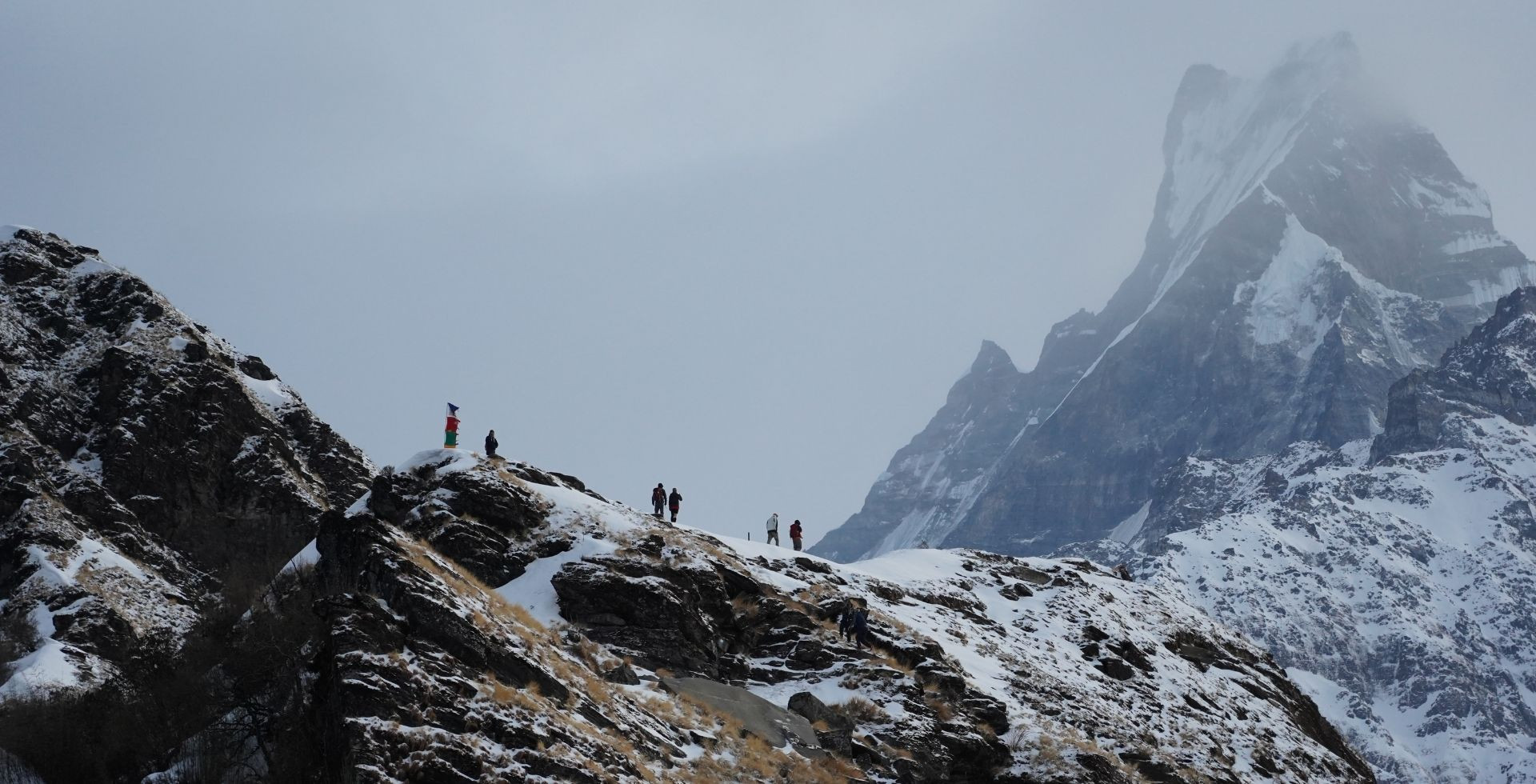
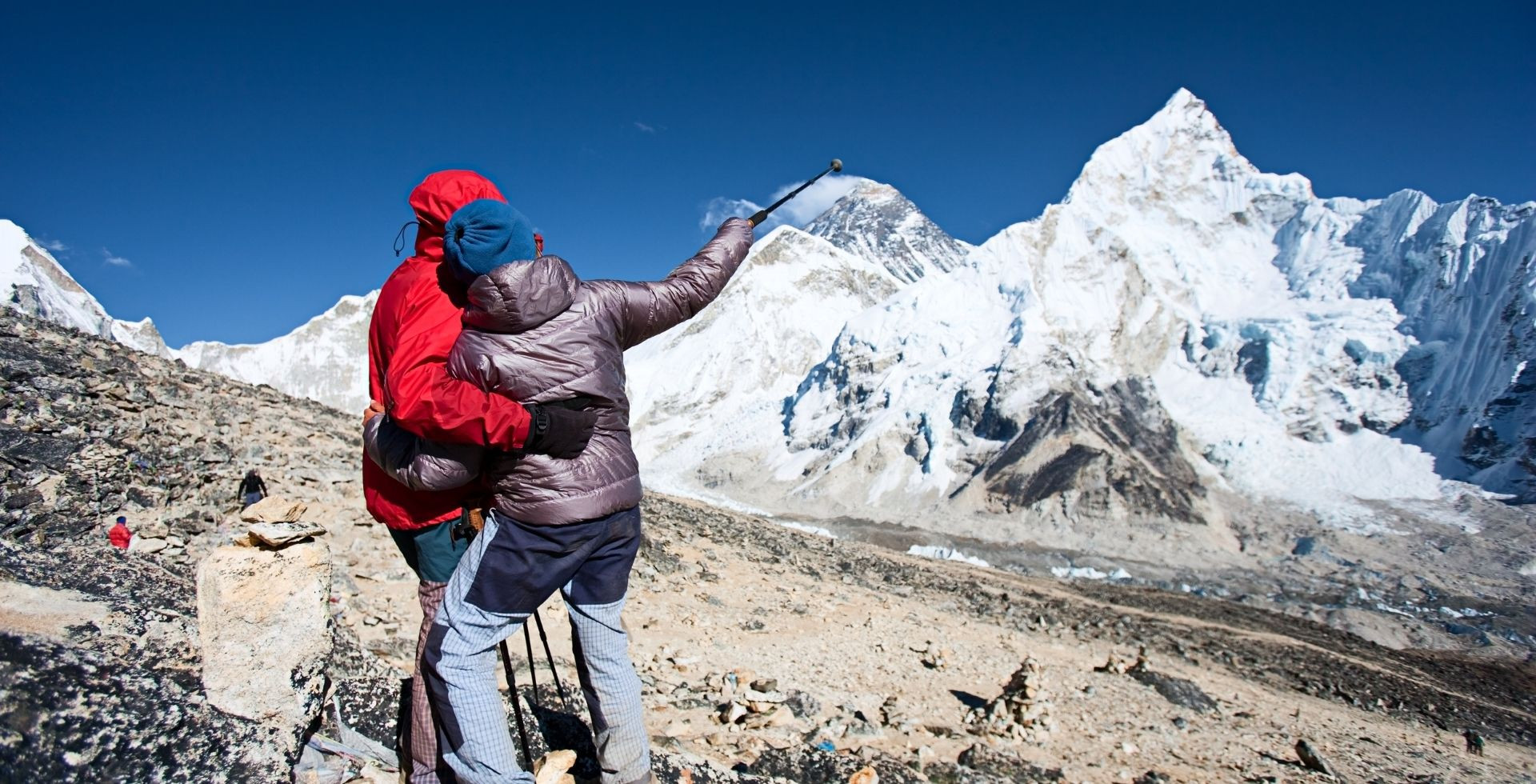
Dhulikhel, situated at 1,550 meters, offers close-up views of majestic mountains like Mount Annapurna, Mount Ganesh Himal, Mount Langtang, Mount Gaurishankar, Mount Lhotse, and more than 20 other peaks.
The mornings and evenings here lift you above the clouds, making you feel as if you’re truly on cloud nine. If you wish, we can even arrange a short hike to the Kali Temple and the Buddha Statue in Shanti Ban.
However, since you’ll only be here in the evening, it’s best to unwind at the luxury resort and then soak in the mesmerizing sunrise and sunset views.
Enjoy Panoramic Mountain Views in Nagarkot
Nagarkot (2,175m) is one of the best weekend getaway spots from Kathmandu. Located in the Bhaktapur District, it is famous for its stunning mountain views of Annapurna, Ganesh Himal, Langtang, and, on clear days, even Mount Everest!
Just like Dhulikhel, this hill station also offers breathtaking sunrises and sunsets; views you can enjoy right from your luxury hotel!
There are a few places to explore in Nagarkot, but for your tired body, Altitude Himalaya recommends spending some leisurely time relaxing within the resort itself.
Enjoy Luxurious Stays in Heritage Hotels
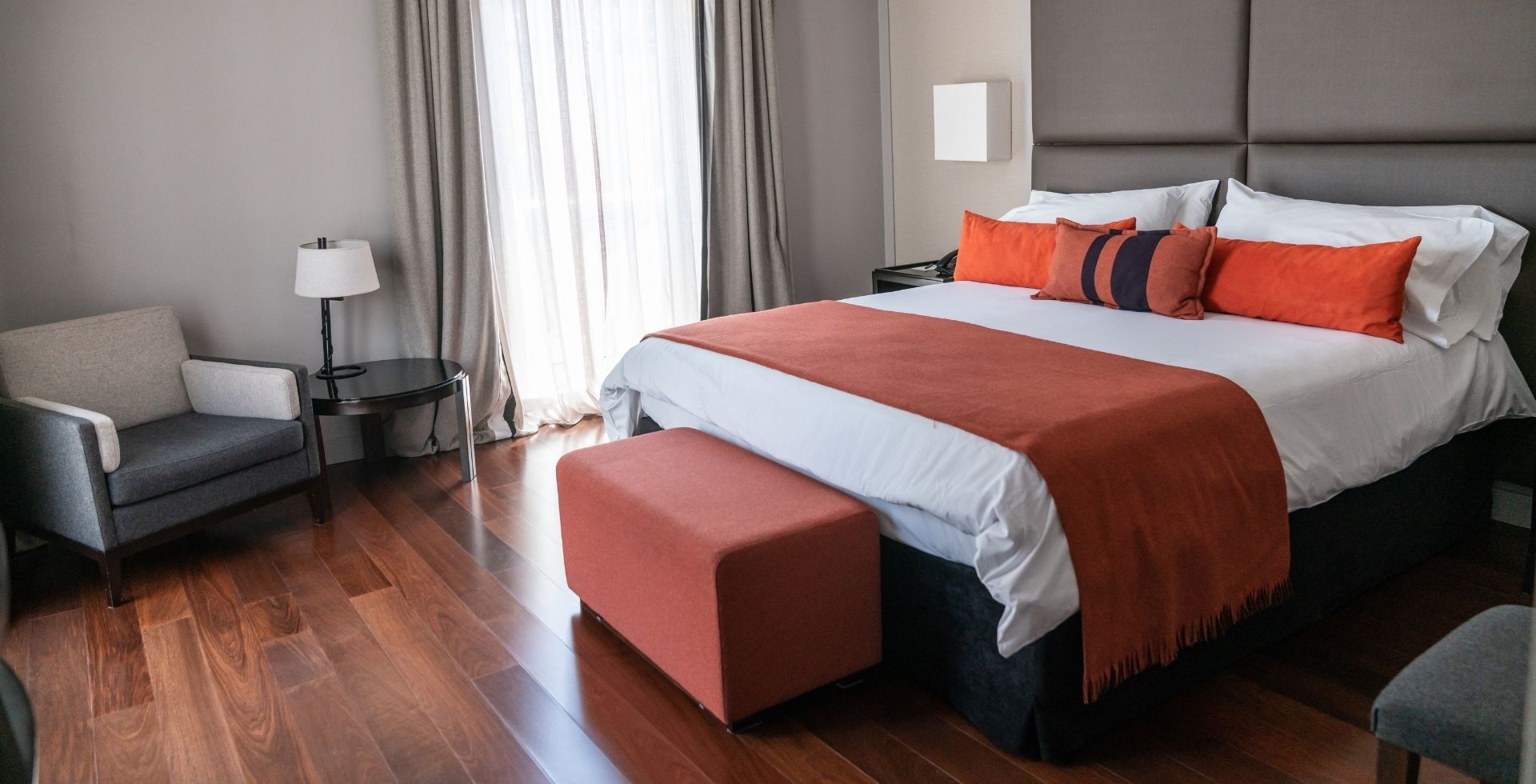
Unlike other luxury packages, this 8-day Kathmandu Valley Cultural Luxury Tour offers something a bit different. While you’ll undoubtedly enjoy all the luxury services, the unique addition here is that both your accommodations and activities reflect Nepali culture.
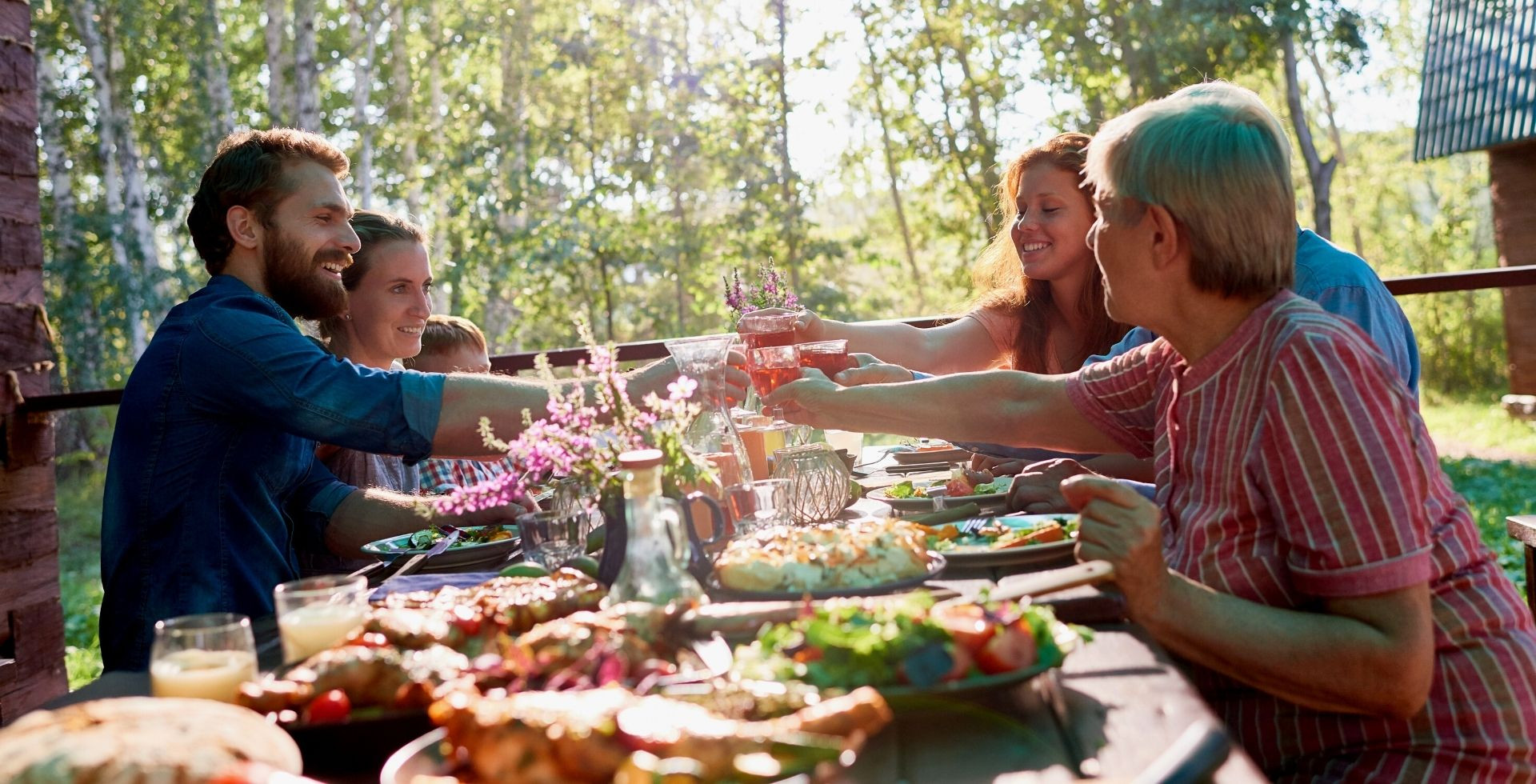
Whether in Kathmandu, Dhulikhel, or Nagarkot, you’ll be warmly welcomed in true Nepali style, with authentic Nepali cuisine served, and even the hotel rooms showcasing traditional Nepali architecture.
 5 KM
5 KM